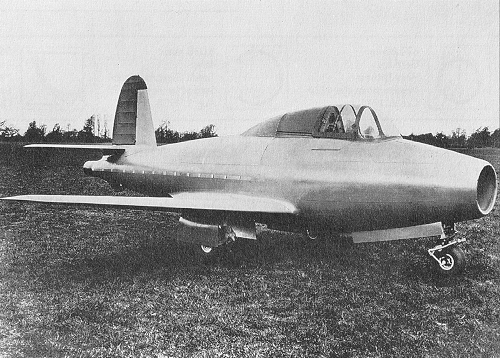
F: And then some of the flight trials were at Church Broughton, where my father's family came from a generation or two back...one version of Meteor did its test flying from there; shame my father didn't know.
T: When I was an older teenager (16+) I was passiomate about aircraft. I could identify everything British or American that was around at the time. .. which in East Anglia in the early to mid 50s was quite a variety. Knowing of my interest in aircraft and engineering, from about 1951 onwards David Dunphy gave me every encouragement to try to enter – surprisingly - not the RAF which had been so good for him, but the Scientific Civil Service and aim for one of the aviation oriented research establishments. It shaped my last years at school.
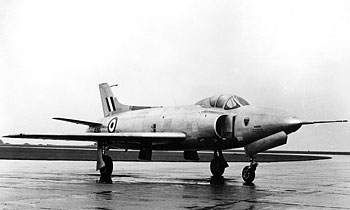
After I had definitely planned for the Scientific Civil Service exam and knew that I could be going to Pyestock/Farnborough, in Sept.1953 I had a week of total immersion in 'things aircraft'. Although RAE was a Min.of Supply establishment and NOT an RAF base there was a small presence of RAF of mostly engineering staff. David was stationed there and the Dunphys were living at Fleet. I had the most amazing week staying there with them and David took me every day to watch the Air Show from the RAF officers' mess. When I went to train/work there later of course I saw the show every year (it was an annual show in those days) for several years but of course the first one left the greatest impression. The stars of the show that I particularly remember were the Gloster GA5 (Prototype for the Javelin) flown by Bill Waterman, the DH 110 (prototype for the Vixen and Sea Vixen), the Vickers supermarine Scimitar and the Hunter and Swift (pictured) that were then regularly swapping the crown between them for the world airspeed record flown by Neville Duke and Mike Lithgow respectively.
Before the exam we had to list an order of preference of the establishments that we hoped to join so of course my first choice was RAE Farnborough. The NAE at Bedford where they did most of the Naval aircraft work did not take engineering apprentices separately but was included with the RAE. So my second choice (with David's advice), was NGTE Pyestock, Farnborough. Partial success; quite a good exam result but not good enough for my first choice so I managed to get to Pyestock. Being just 'next door' to Farnborough though we shared RAE Technical College and the RAE apprentices hostel for accommodation.
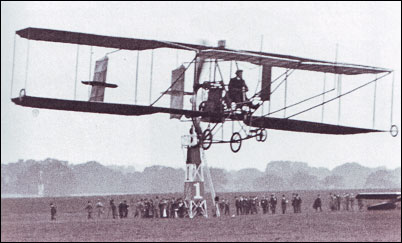
Another interesting little point is that the Apprentices Hostel had in earlier years been barracks, mess etc for the Royal Flying Corps and it is where Maud's husband Bert would have stayed. Being a certified entry pass holder, I cycled through the RAE every time I went to Pyestock. Interesting aside 2:- every time I would cycle past the dead tree preserved in epoxy resin as a monument to the pioneer Cody. He used to tether his aeroplane to it when doing engine trials and when the Cooleys were living at Ewshot, my mother says they often used to see Cody's plane flying over.
So, during my training I sometimes worked not directly on aircraft which I would have liked but the next best thing. Part of my training was on the engines which would power your father’s aircraft; DH Ghost in the Vampire and RR Derwent in the Meteor.
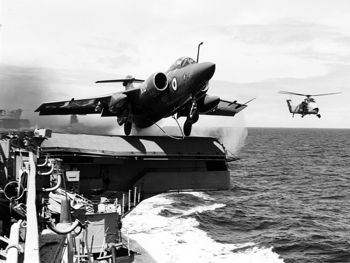
After I was qualified, my first job was at RAE Farnborough so eventually I achieved my earlier goal. During my time at RAE I actually worked on one project which involved flying up to NAE Bedford every day in the ferry (a DH Dove) and working with the Buccaneer on catapault launch and arrested landing trials.
After 5 years at RAE I finally moved away from aircraft and went to Petters in Staines to work on Diesel engines. After that I spent a few years in Camberley for the US company Clark Equipment (working on fork lift trucks) which is how I got to visit their US main plant in Michigan and visited Nicky and Graham when they were living in Chicago. When the Company pulled out of Europe I turned down a job in Kentucky and with a combination of diesel engine and fork lift experience I moved to Gloucester to Slater & England (part of the Babcock group and manufacturers of Winget dumpers) to run their new project for a Rough Terrain Forklift. I already knew the company quite well as they were major customers for Petter and Lister diesel engines. It was when I was there and we were working on an agricultural/ forestry version of the forklift that I went to a forestry equipment outdoor exhibition in the Forest of Dean area (Cinderford I think) and for the only time in my adult life met Tony. He was there to promote his Rowena engine and was living on Anglesey. We spent some interesting time together but I'm afraid the talk was more engineering than family.
The 80s were a difficult time, recession and unemployment worse than it is now and Slater & England was closed down by Babcock and I needed another job. I scratched around for a bit but eventually landed with Lister at Dursley.
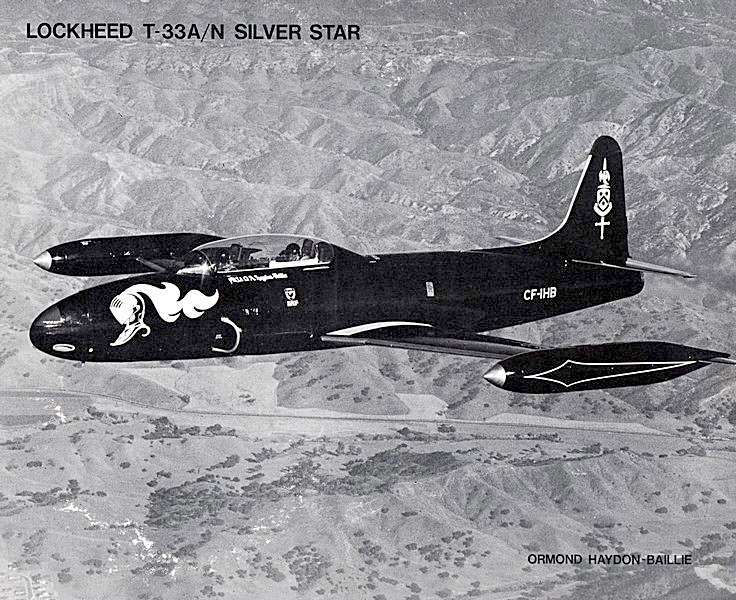
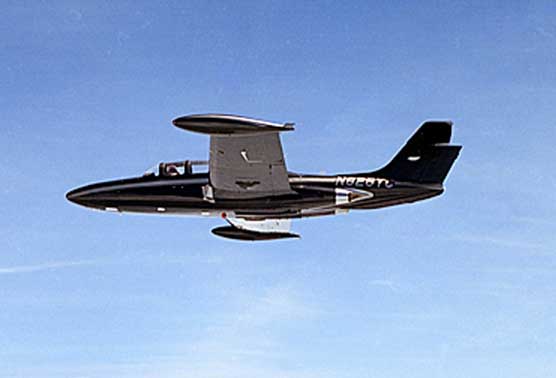
F: When I was working at Cranfield (as a waitress; I needed a live-in job at the time!) a rich aviation fanatic called Haydon-Baillie used to fly his aircraft in - he had all sorts of beautiful machines (like the Lockheed T-33 Silver Star with his Black Knight livery, that Google has just reminded me about! He also had a Sea Fury.). They had all sorts in the hangars there, too; a Paris jet, which seemed very Dan Dare-ish to look at back then and bits of the TSR2.
T: The TSR2 was scrapped and broken up just before my first year at Pyestock/Farnborough and in the basic training in the engineering training machine shop at the RAE college we always used to say when we got odd bits of stainless steel for our exercises that they were old bits of TSR2….
